Steam cleaning: expanding the professional cleaning toolkit
Giulio Franchini is Export Area Manager at Tecnovap, manufacturer of professional steam cleaning systems operating in over 70 countries.
Steam cleaning has long been associated with specialist applications, but advances in equipment and growing pressure to reduce water and chemical consumption are bringing it into the mainstream of professional cleaning. While routine methods remain suitable for many everyday tasks, steam is increasingly being adopted where deep cleaning, difficult access and hygiene validation are priorities.
One of steam cleaning's greatest strengths is its versatility. It is effective across a wide range of professional environments, from healthcare and hospitality to food production, commercial kitchens and industrial facilities.
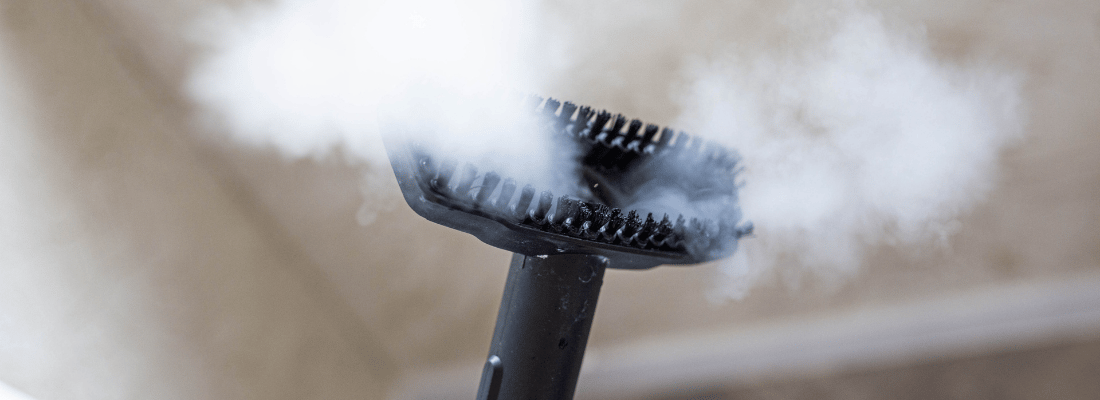
In many buildings, routine cleaning focuses on visible surfaces, while dirt, grease and microbial contamination can accumulate in less accessible areas. Steam is particularly suited to cleaning grout lines, sanitary fittings, shower areas, windows and mirrors, while its ability to penetrate tight spaces makes it valuable for equipment, machinery and other areas that are difficult to reach using conventional tools.
Commercial kitchens are another important application. Countertops, ovens, refrigeration units, cooking equipment and food preparation areas often require intensive cleaning to remove baked-on grease and residues. High-temperature steam can loosen stubborn deposits, allowing operators to remove contamination more efficiently.
Its ability to reach hidden areas also makes steam suitable for production environments, where cleaning beneath machinery, around conveyor systems and inside confined spaces can be challenging using traditional techniques.
Reducing chemicals and water
One of the main drivers behind increased interest in steam cleaning is the potential to reduce dependence on cleaning chemicals.
High-temperature steam naturally softens and emulsifies grease and dirt, enabling operators to remove contamination using microfibre cloths or wet-and-dry vacuum systems without relying on detergents for many applications. This can help organisations reduce chemical consumption while supporting wider sustainability objectives.
Water consumption is another significant consideration. Conventional pressure washing systems can use many litres of water every minute, creating substantial water usage over time. Steam systems typically require far less water because a small volume is converted into vapour, allowing operators to clean effectively while significantly reducing overall consumption.
Hygiene performance
For sectors such as food manufacturing, hygiene performance remains the key consideration.
Independent laboratory testing commissioned by Tecnovap has demonstrated that high-temperature steam can achieve substantial reductions in microbial contamination when used correctly. Testing has shown reductions of 99.9 per cent in Enterobacteriaceae on cleaned conveyor belts using steam alone.
Other microbiological testing has assessed our steam disinfection devices against recognised standards, evaluating effectiveness against a broad range of bacteria, viruses, fungi, spores, yeasts and bacteriophages. Importantly, these studies were carried out using high-temperature steam without the addition of detergents, demonstrating that steam alone can deliver validated hygiene outcomes in appropriate applications.
Technology continues to evolve
Steam cleaning equipment has also become considerably more sophisticated in recent years.
Manufacturers have developed a wider range of specialist tools designed to tackle specific cleaning challenges rather than relying on standard accessory kits. This has expanded steam's role across industrial, commercial and food production environments.
Particular attention has been given to cleaning production equipment such as conveyor belts, where automated steam and vacuum systems can help reduce cleaning time and minimise production downtime.
Digital technology is also becoming increasingly common. Bluetooth connectivity, mobile apps and remote monitoring now allow operators to check machine performance, monitor operating conditions and programme equipment before arriving on site, while also assisting with servicing and maintenance.
Looking beyond routine cleaning
For facilities managers and contract cleaning companies considering investment, steam offers an opportunity to expand the range of services they can provide.
Rather than replacing conventional cleaning methods, steam complements them by tackling applications that routine cleaning may struggle to address. Deep cleaning of production machinery, cold rooms, tanks, motors and inaccessible areas can help contractors differentiate their services while meeting increasing customer expectations around hygiene, sustainability and resource efficiency.
As organisations continue to seek ways to reduce environmental impact without compromising cleaning standards, steam cleaning is becoming an increasingly valuable addition to the professional cleaning toolkit.
Written by Michelle Marshall, Editor in Chief at European Cleaning Journal
Receive the best newsletter on cleaning & hygiene - straight to your inbox!
We promise never to send you spam and you can unsubscribe at any time!