Cleaning with robotics: implementing from pilot to practice
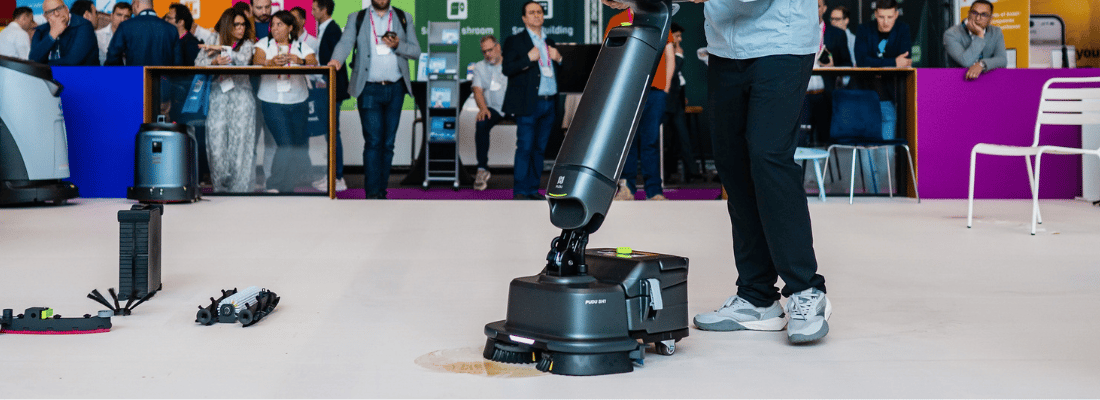
Robotics is becoming a more considered part of the professional cleaning landscape. What was once largely a question of whether autonomous equipment could navigate a building and complete a cleaning task is now shifting towards a more practical one: how can the technology be incorporated into everyday operations? An expert at Pudu Robotics tells us more.
We are certainly seeing evidence of change in the questions being asked by cleaning organisations. Rather than simply testing whether a robot works, they are increasingly looking at how robotics fits into existing workflows, how results can be measured and how an approach that works at one site might be extended across a wider estate.
Introducing technology not enough in itself
Adoption is not, however, simply a matter of introducing technology wherever there is a suitable floor. The strongest cases tend to be environments with substantial, repetitive cleaning requirements, staffing pressures and clearly defined measures of performance. Retail, transport hubs, warehouses, factories, offices and hotels can all present opportunities, while healthcare offers particular potential because of its requirements for consistency and traceability. Its more complex compliance environment can, however, make implementation a longer process.
Geography is less important than the characteristics of the operation. Organisations with multiple, broadly similar sites may be particularly well placed to adopt robotics because a successful approach can be replicated. Local labour conditions, the physical environment and the availability of technical support also influence decisions.
Pilot must be more than a demonstration
For many cleaning operations, the first step remains a pilot. But a pilot needs to be more than a demonstration. It should establish whether the technology works within the realities of the site - including changing levels of pedestrian traffic, different layouts and the demands placed on cleaning teams.
Measures such as coverage, cleaning quality, equipment availability, staff intervention and the effect on the wider workflow can help determine whether an investment is delivering what was expected.
Those that successfully scale robotics tend to approach it as an operational change rather than an equipment purchase. Someone needs to take responsibility for the technology, while procedures, staffing arrangements and quality controls may need to be adapted. The practical infrastructure also needs consideration, including access routes, doors, lifts, charging, connectivity, storage and maintenance.
Concerns among staff must be addressed
This is where some projects can struggle. Treating robotics as a plug-and-play solution can lead to unrealistic expectations, particularly around the meaning of ‘autonomous’. Equipment still needs oversight, maintenance and a clearly defined role within the operation.
There can also be concerns among cleaning staff. These are more readily addressed when employees are involved from the outset and understand the purpose of the technology. The aim is generally to take on repetitive or physically demanding tasks - thereby allowing people to concentrate on detailed cleaning, hygiene-critical work, problem-solving and interaction with customers and building users.
The expectations placed on robotics are also changing. Labour capacity remains an important consideration, but consistency, productivity, cleaning quality and the ability to demonstrate what has been completed are becoming increasingly relevant.
Where can robotics add genuine value?
The next stage of development is likely to see robotics move beyond individual machines operating to fixed schedules. We anticipate greater use of managed fleets, adaptive cleaning based on changing conditions and closer integration with building systems and facilities management platforms.
For cleaning organisations, the question is therefore becoming less about whether robotics has a place in the industry and more about where it can add genuine operational value. The technology may continue to develop rapidly, but its success will depend on how effectively it is incorporated into the people, processes and environments that make up professional cleaning.
Receive the best newsletter on cleaning & hygiene - straight to your inbox!
We promise never to send you spam and you can unsubscribe at any time!