.png?h=400&iar=0&w=1100)
Case Study Report: How Smart Waste Management is Reshaping Urban Cleaning Operations
In many facilities, waste collection follows a familiar routine: staff walk set routes and check bins regardless of how full they are. Those old methods no longer align with the industry's current pressures. Labour shortages have left cleaning teams stretched, and rising expectations around sustainability mean organisations are being asked to document their waste practices with far greater accuracy than before.
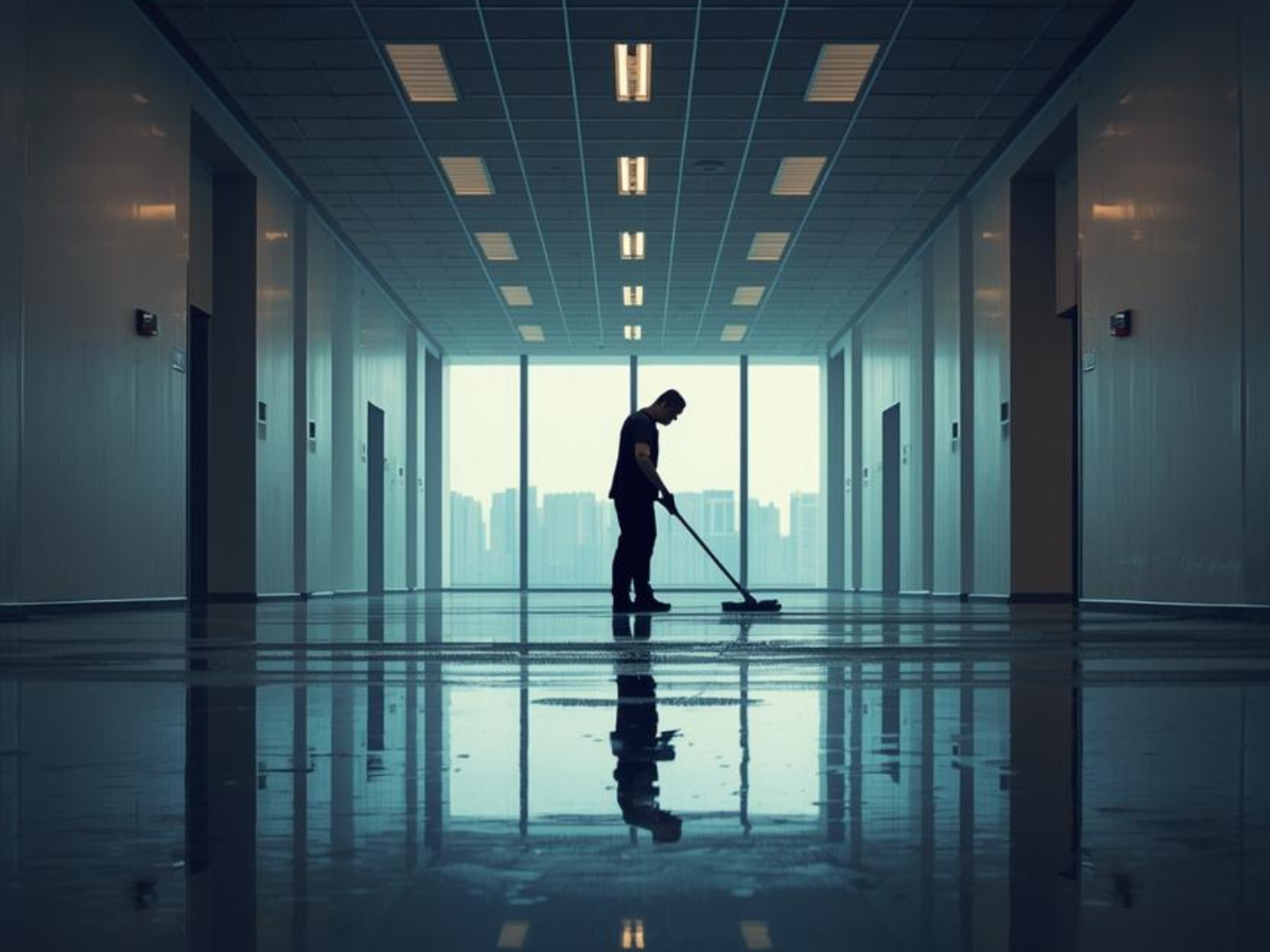
Those pressures have pushed facilities managers to consider tools that give them a more precise view of what is happening on the ground. Sensors that track fill levels, software that adjusts routes, and dashboards that display real-time data are beginning to replace manual logs and routine patrols. The technology does not eliminate the work, but it alters the starting point: decisions are made from measured conditions rather than habit.
This approach brings several advantages:
- Fewer rounds: Staff check and empty bins only when needed.
- Real-time visibility: Managers see where waste builds up and how patterns shift across the day.
- Easier deployment: Modern sensors are smaller, more reliable, and simple to install.
- Scalable systems: Cloud tools handle data from large estates without extra complexity.
- Clear, automatic reporting: Measurements feed into ESG and compliance requirements.
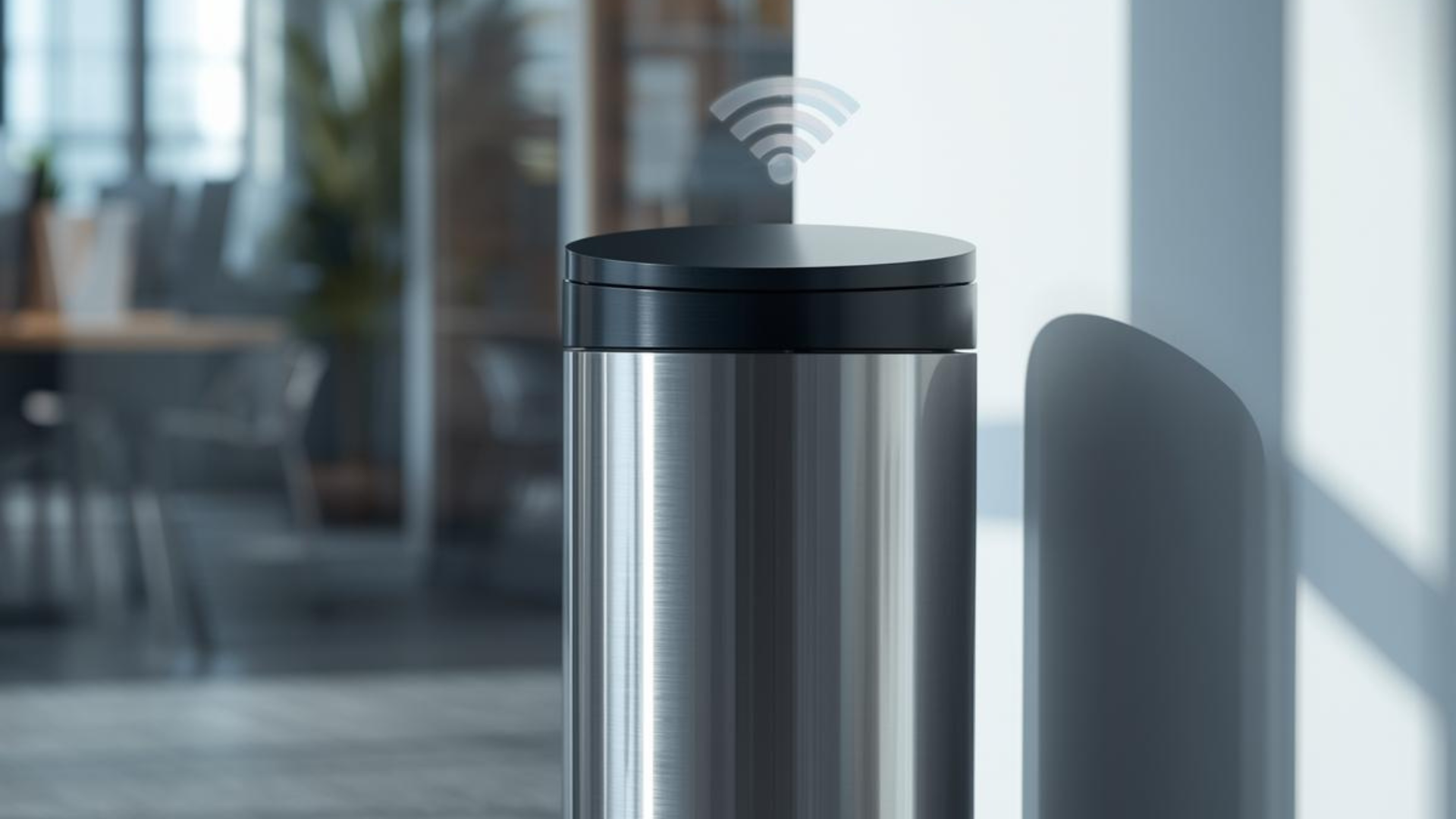
The following case studies focus on organisations with a close, practical view of how these technologies are being deployed at scale and what they mean for day-to-day operations.
CASE STUDY 1
Enhancing commercial cleaning operations with sensor technology: Hailo digital_hub's approach
Hailo digital_hub has spent years developing and refining digital tools that give cleaning teams clearer insight into waste patterns. Much of their work begins with a familiar issue across hospitals, office campuses and industrial sites: waste handling still follows fixed routes. Teams check every bin on every round, regardless of whether it needs attention, and a surprising amount of labour disappears into this routine.
Working with facility operators, Hailo digital_hub focused on understanding where that time actually goes. By placing small sensors inside bins, they provided operators with real-time data on fill levels and usage patterns. Instead of repeating the same routes, cleaning teams receive alerts only when a bin reaches a defined threshold. The change is simple, but for many organisations it was the first time they could see how waste truly moves through their buildings.
As managers reviewed the data, patterns that were previously invisible became easier to act on. They could see which bins consistently filled up, which rarely did, and how much time was spent checking containers that didn’t need attention. The automated readings also replaced handwritten notes, giving organisations a more consistent record of waste levels at a time when reporting requirements are becoming stricter.
The shift was both technical and cultural, and teams long used to fixed routes needed guidance to adapt to condition-based tasks. Christoph Erbach, Managing Director of Hailo digital_hub, argues that the real barrier isn’t the software but helping people adjust to new routines. “The challenge is taking people along, and enabling them to use it,” he says.
“AI is just another tool,” Erbach adds. “It’s the people who make it work, from the first assessment of a project all the way through implementation and after-sales.”
Hailo digital_hub's innovation is driven by the people who use it. Cleaning supervisors, operators and frontline staff turn the data into practical decisions, transforming raw information into smarter routines and more confident control of daily operations. The result shows that in the cleaning and hygiene industry, technology only succeeds when it strengthens the people doing the work.
By making waste visible, the system helped operators close the gap between policy and day-to-day execution, a shift many had struggled to achieve before.
CASE STUDY 2
Creating value through smart waste management: Insights from SULO Benelux
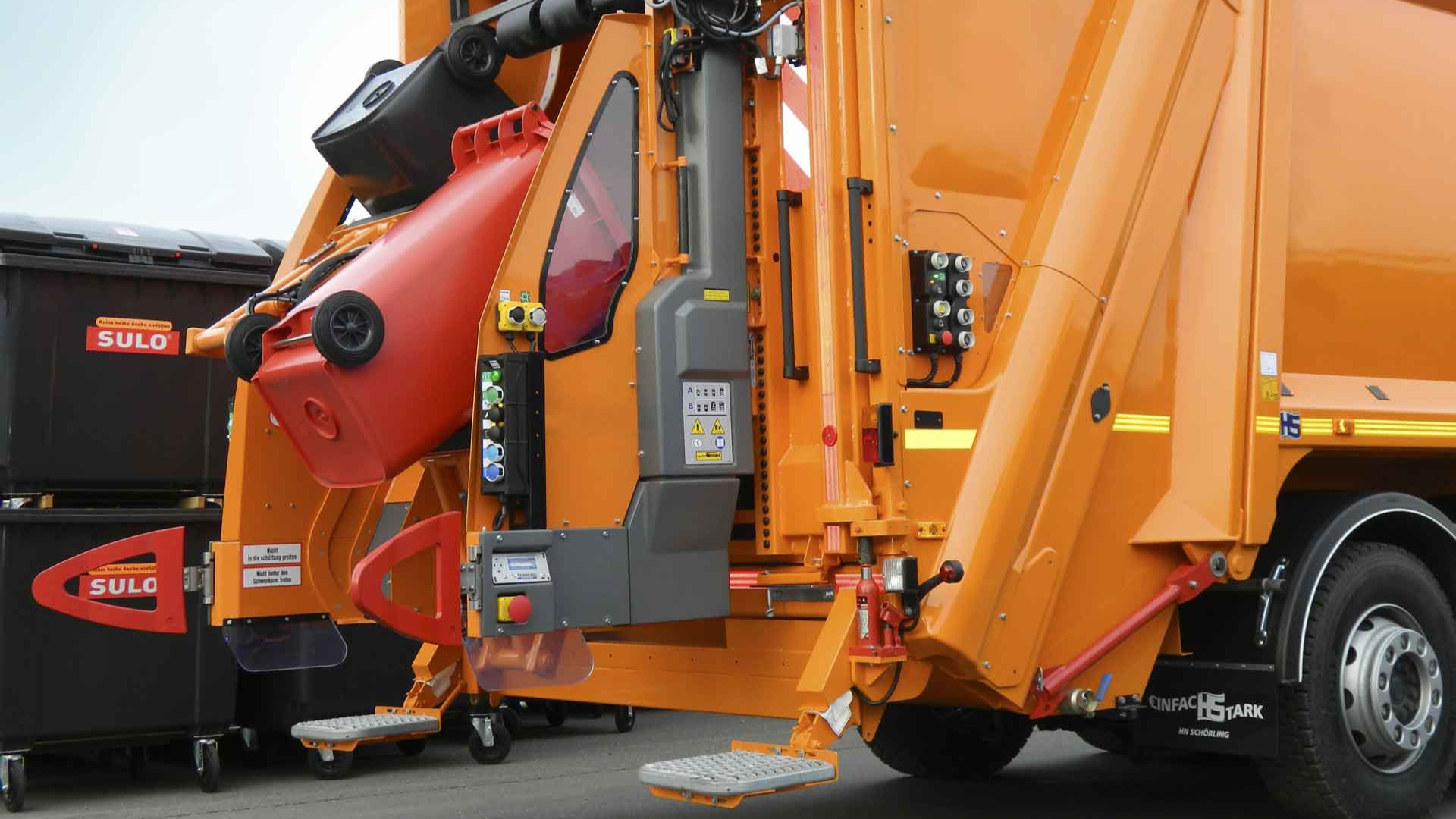
SULO Benelux has been working with data-driven waste systems for more than two decades, long before “smart waste” was part of the industry vocabulary. Their work spans hardware such as bins and compactors, software for tracking and billing, and services that help municipalities and private operators run their waste operations more efficiently. The approach responds to practical pressures in the sector, from rising costs to increasing demands for clear, measurable waste data.
“We build our solutions together with the people who rely on them,” says Aster Meert, who leads SULO Benelux’s commercial and customer work. “Their experience is what makes innovation possible.”
Much of SULO’s effort focuses on generating that data. Bins can be fitted with identification chips, containers are weighed during collection, and sensors monitor fill levels at voluntary drop-off points. Trucks use route-optimisation software, while compactors and presses can be equipped with sensors that report capacity and location. Together, these tools give operators a more accurate view of what is being collected, how often, and at what cost.
“Smart systems don’t succeed because of the technology,” Meert explains. “They succeed because of the people behind them the workers who collect, sort and manage waste every day.”
What truly differentiates SULO’s work, however, is its emphasis on the people behind the system. Drivers, operators, supervisors and municipal teams rely on this data to refine processes shaped by years of experience and local knowledge. SULO’s long-standing role in the sector means that their tools are built with the insights of the people who run it every day.
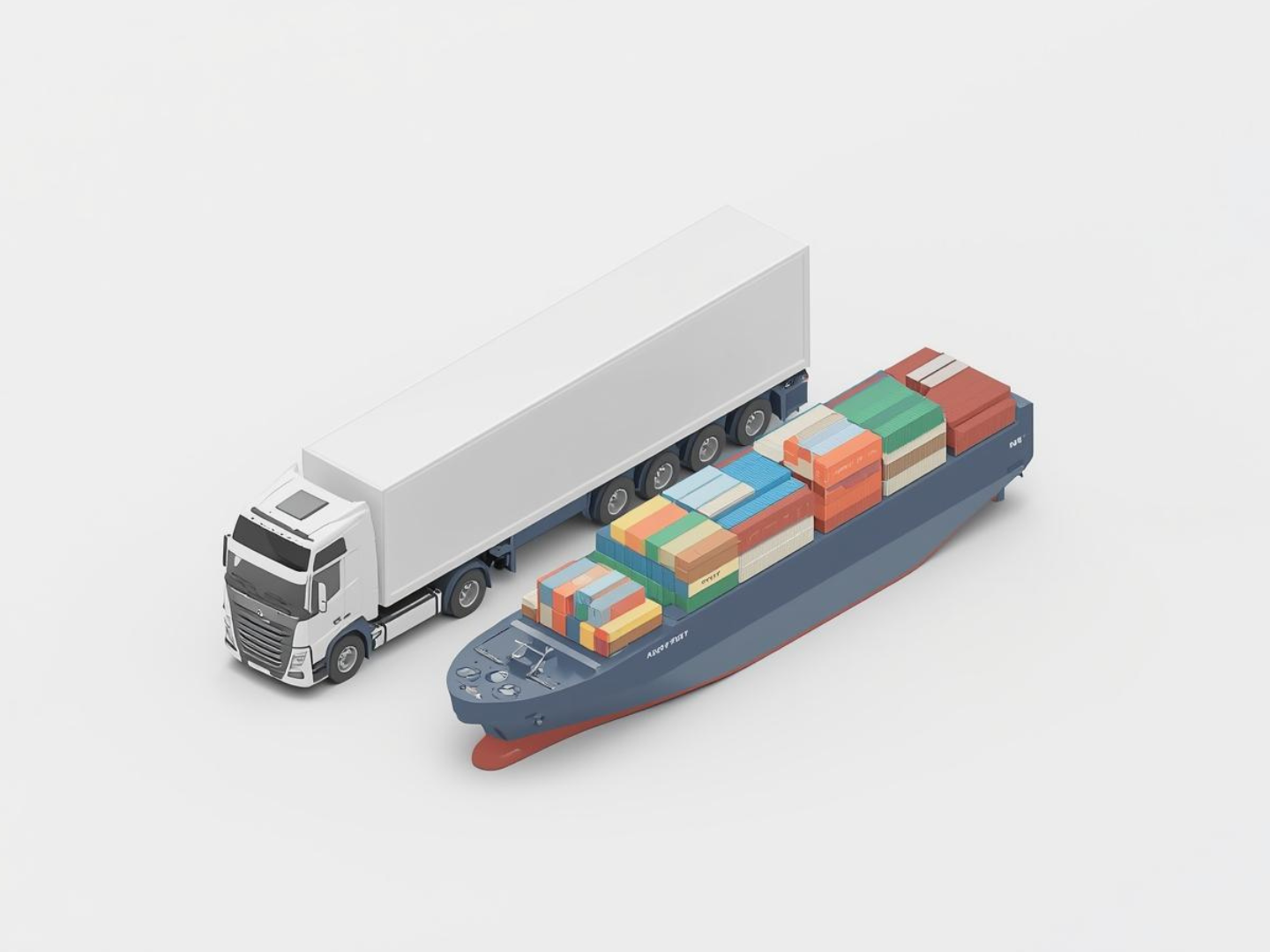
Seeing those patterns has helped operators cut unnecessary trips and address contamination more directly. In one project, improved tracking and flow management made it possible to consolidate 17,000 tonnes of recyclable plastic and ship it by boat instead of by truck.
SULO’s long experience also feeds into the next set of tools, including an AI-supported system that analyses images during bin emptying to detect contamination, planned for launch in 2026. The aim is to give operators an earlier and more accurate view of where sorting breaks down.
The barriers, however, are often not technical. Financing, political decisions and staffing can all slow adoption. “The technologies were already there, but they were expensive or not accessible,” Meert says.
For municipalities and businesses handling larger waste volumes and tighter service expectations, SULO’s work shows how consistent measurement, and the right mix of hardware and software can turn a previously opaque process into one that is easier to plan, document and improve.
Broader operational lessons for the cleaning and hygiene industry
Together, the two case studies highlight the clear value of data-driven systems in waste management and the operational gains that come from smarter, more transparent routines.
- Visibility improves routine work
When teams have clear data, they can plan tasks, staffing and timing with far greater accuracy. In any cleaning or hygiene setting, better visibility removes inefficiencies that typically go unnoticed. - Simplicity drives adoption
Tools that eliminate steps are the ones staff are more likely to use. The easier a system is to fold into daily routines, the more consistent and reliable the outcomes become. - Organisational factors matter more than the tech
Budgets, staffing and established habits influence adoption far more than hardware or software. Even the best tools only deliver results when leadership and culture support their use.
Conclusion
The move toward data-driven routines becomes harder to avoid as facilities grow larger and reporting demands intensify. The case studies show that this shift is as much cultural as it is technical.
What has changed in recent years is the practicality of the technology itself. Systems that once required major investment or specialist expertise have become simpler to deploy and maintain, lowering the threshold for organisations that manage waste at scale.
Both cases indicate that clearer insight leads to higher performance. Once organisations can see their waste systems accurately, they tend to manage them more efficiently and set higher expectations for performance.



Receive the best newsletter on cleaning & hygiene - straight to your inbox!
We promise never to send you spam and you can unsubscribe at any time!