The truth behind ‘chemical-free’ cleaning
The drive towards more sustainable cleaning has led to growing interest in so-called "chemical-free" systems. Technologies such as steam, deionised water, microfibre and electrolysed water are increasingly being adopted by organisations seeking to reduce their environmental impact. But are these methods always more sustainable than conventional cleaning chemicals? And are there situations where chemicals remain essential?
Many in the industry agree that reducing reliance on traditional chemicals is a positive development. However, they also argue that the negative perception of cleaning chemicals often reflects outdated formulations. Modern products have evolved significantly, with many now based on biodegradable or bio-based ingredients, free from substances such as phosphates and microplastics. Highly concentrated formulations, combined with controlled dosing systems, also reduce packaging, transport emissions and product waste while improving operator safety.
New generation of bio-based cleaning products
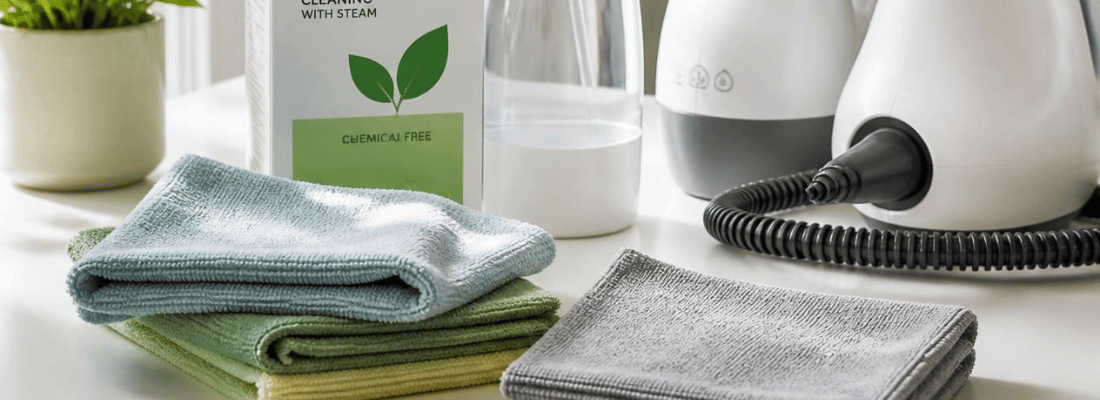
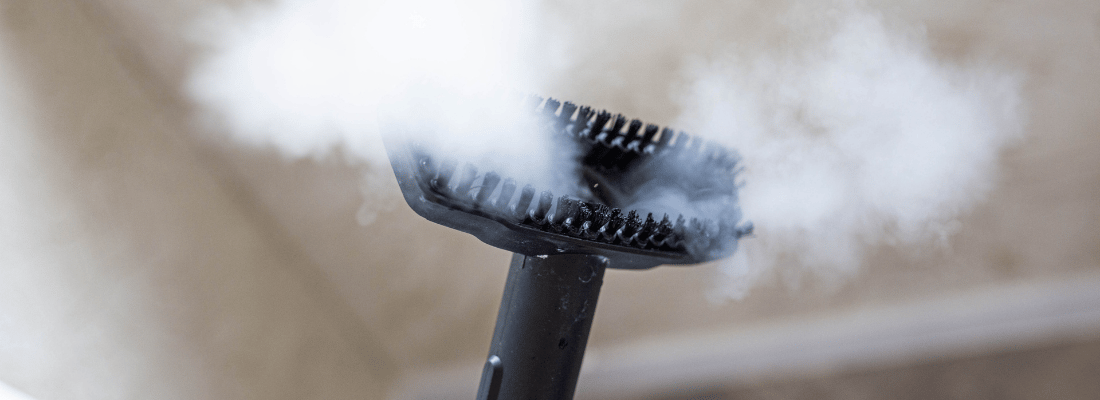
For many routine cleaning tasks, alternatives such as microfibre, steam and purified water can be highly effective. These methods can reduce chemical consumption while lowering water use and environmental impact. Microfibre cloths used with water alone, for example, are capable of removing high levels of soil and microorganisms when used correctly. Steam is also valued for deep cleaning hard surfaces and reaching areas that are difficult to access.
However, these methods are not without limitations. Their effectiveness depends heavily on correct procedures, particularly in the case of microfibre, which requires disciplined laundering and rotation to avoid cross-contamination. Steam and water-based systems rely primarily on physical removal of soils rather than breaking them down chemically, meaning they may not always provide the level of cleaning or disinfection required in higher-risk environments.
Selecting the right approach should be the focus
Most industry experts agree that chemicals remain indispensable in certain applications. Healthcare environments require validated disinfectants capable of reliably eliminating pathogens, while food production facilities often depend on specialist products to break down fats, proteins and other food residues. Chemicals are also essential for removing limescale, uric scale, heavy grease and biofilms, particularly where rapid and consistent results are needed.
Rather than asking whether cleaning should be chemical-free, many argue that the focus should be on selecting the most appropriate method for each task. Mechanical cleaning methods work well in many everyday situations, but specialist chemicals continue to play an important role where hygiene standards, safety requirements or difficult soils demand them.
Chemical-free isn't automatically sustainable
Another key consideration is how sustainability is measured. Simply replacing chemicals with an alternative does not automatically make a cleaning process more environmentally friendly. Sustainability should be assessed across the entire lifecycle of a product or system, taking into account raw materials, manufacturing, packaging, transport, dosage, waste generation and overall cleaning performance. A highly effective product used at very low concentrations may, in some cases, have a lower environmental impact than a less effective alternative requiring repeated application.
Many also question the term "chemical-free" itself. Scientifically, everything used in cleaning - including water - is a chemical substance. As a result, the phrase is widely regarded as a marketing term rather than a technical description. A more meaningful goal is to reduce the use of hazardous substances wherever practical while maintaining effective cleaning performance.
Greener solutions make cleaning safer
Ultimately, the industry's direction is not towards eliminating chemicals altogether, but towards using them more intelligently. Advances in green chemistry, biotechnology and concentrated formulations are helping to make conventional cleaning products safer and more sustainable, while alternative technologies continue to expand the range of tasks that can be completed with little or no detergent. The challenge is to balance hygiene, safety, environmental responsibility and operational effectiveness, using evidence rather than assumptions to determine the best solution in each situation.
Written by Michelle Marshall, Editor in Chief at European Cleaning Journal
Share your stories with us!
Do you have an innovation or interesting news you would like to share with the professional cleaning and hygiene industry? The Interclean website and social media channels are a great platform to showcase your stories!
Please contact our press department interclean@rai.nl.
Are you an Interclean exhibitor?
Make sure you add your latest press releases to your Company Profile in the Exhibitor Portal for free exposure.

Receive the best newsletter on cleaning & hygiene - straight to your inbox!
We promise never to send you spam and you can unsubscribe at any time!