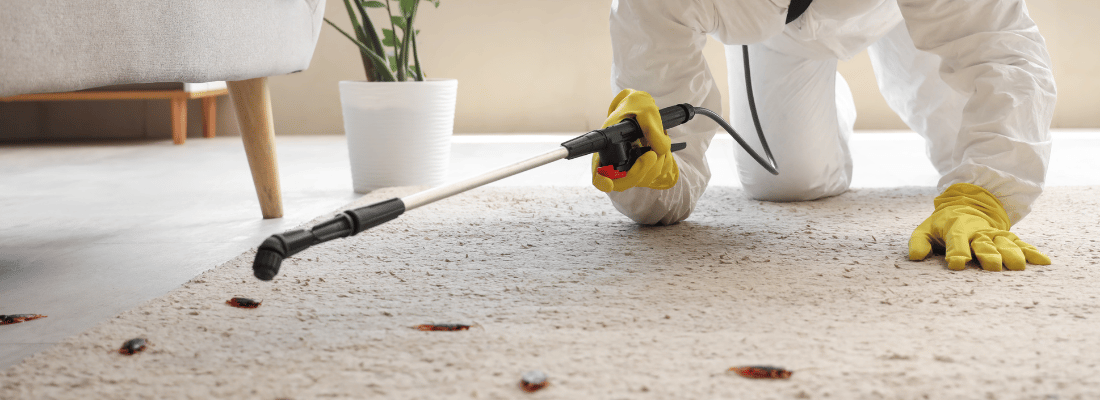
Pest control: from reaction to prevention
The professional pest control sector is evolving, with contractors increasingly expected to provide preventative advice, assess risks and apply integrated pest management strategies rather than simply respond to infestations. At the same time, the industry faces challenges around recruitment, business consolidation, regulation and public understanding of its role in protecting health and the environment. Natalie Bungay is Head of Membership and Technical at British Pest Control Association (BPCA) tell us us more.
One significant development is the consolidation of the market, as larger, often internationally backed organisations acquire smaller pest control businesses. This is changing the structure of the sector, traditionally characterised by local, family-run firms and independent operators. Small and medium-sized businesses nevertheless remain important, providing specialist knowledge and services within their communities.
For these smaller operators, access to technical guidance, business advice and professional networks can be particularly valuable as compliance requirements and operating costs increase.
Changing perceptions and skills
One of the industry's persistent challenges is its public image. Pest management is still frequently perceived as a reactive service, called upon only when a problem becomes apparent. This overlooks the technical expertise, environmental judgement and public health responsibilities involved in professional pest control.
The perception can also make recruitment difficult. The work is often associated with challenging environments and practical tasks, while potential entrants may have limited awareness of the range of skills involved or the opportunities for career development.
An ageing workforce and a lack of diversity add to concerns about future capacity. Improving awareness of career pathways, qualifications and training will be important in attracting a broader range of entrants and developing the next generation of practitioners.
Prevention rather than cure
The role of the pest control contractor is increasingly centred on identifying the causes of pest activity and preventing problems from developing. Integrated pest management (IPM) combines monitoring, risk assessment, proofing, environmental management and targeted treatments, reducing reliance on any single control method.
For commercial customers, this can mean regular monitoring, advice on waste management and building maintenance, and consultation during the design of new premises. Addressing vulnerabilities early can reduce disruption, protect reputations and limit the financial consequences of established infestations.
Despite these benefits, much of the sector's work remains reactive. Changing how businesses procure and value pest control will therefore be important. Prevention requires customers to recognise the service as an investment in operational continuity, hygiene and public health, rather than an expense incurred only when an infestation occurs.
Regulation, technology and sustainability
Contractors are also working in a changing regulatory environment. Restrictions on some pesticides and physical control methods, driven partly by environmental and animal welfare concerns, have reduced the range of interventions available in certain circumstances.
While these considerations are important, the industry argues that regulation must take account of practical realities and ensure that effective, responsible alternatives are available. An appropriate balance is needed between protecting non-target species and enabling professionals to manage risks safely.
Technology offers further opportunities. Smart monitoring devices can help identify pest activity earlier and provide more detailed information about patterns and risks. However, adoption depends partly on whether customers are willing to invest in the equipment. Digital tools are most effective when combined with practitioners' experience and judgement, rather than treated as a replacement for professional expertise.
Looking ahead
Climate change and changing environmental conditions may alter the distribution, seasonality and behaviour of some pest species, while the potential spread of disease by animals and insect vectors reinforces the importance of effective pest management.
These developments could make pest risks more complex and increase demand for informed, preventative approaches. Stronger training pathways, proportionate regulation and better public understanding will be central to the sector's future.
Ultimately, professional pest control is about more than eliminating pests. By identifying risks, preventing infestations and protecting people, property and the environment, the industry has an important role in public health and the resilience of homes, businesses and essential services


Receive the best newsletter on cleaning & hygiene - straight to your inbox!
We promise never to send you spam and you can unsubscribe at any time!