housekeeping: the people behind the guest experience
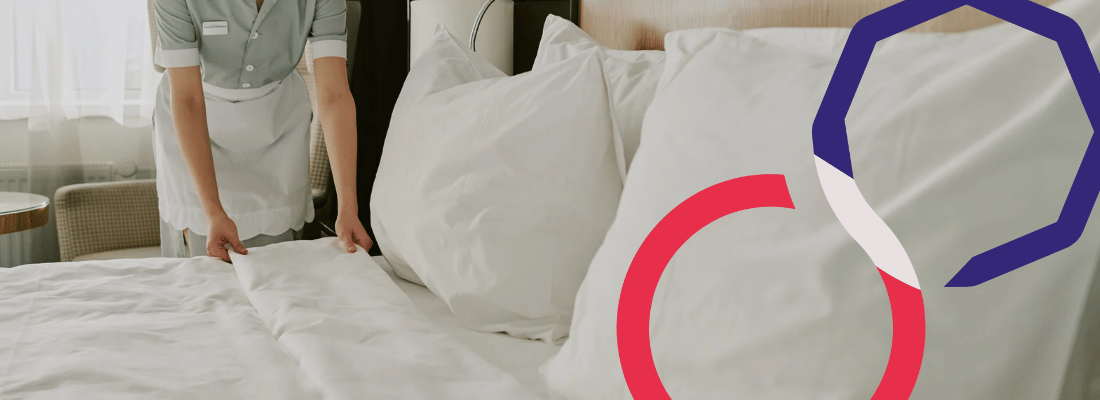
Housekeeping is one of the most important yet often least visible functions within the hotel industry. While guests may remember the quality of the restaurant, the friendliness of reception staff or the comfort of the facilities, their overall impression of a hotel is shaped to a large extent by the cleanliness, presentation and condition of their room. Behind this experience is a workforce whose contribution extends well beyond making beds and cleaning bathrooms.
As a central operational department, housekeeping plays an important role in maintaining standards, protecting a hotel's reputation and ensuring a smooth-running operation. Room attendants are responsible for creating a guest's first impression of their accommodation, while their attention to detail can influence whether that guest chooses to return.
Yet the work frequently takes place behind the scenes, with housekeepers receiving relatively little recognition. International Housekeeping Week, celebrated each September, provides an opportunity for hotels to acknowledge their contribution. However, recognition needs to extend beyond an annual appreciation event and be reflected in everyday working practices.
What are the pressures behind the presentation?
Hotel housekeeping is physically demanding work, often carried out under considerable time pressure. Room attendants must balance check-out rooms, stay-over guests and unexpected requests, working to schedules that can leave little room for flexibility.
Research published in Applied Ergonomics in 2023 found significantly higher levels of physical exertion among hotel room cleaners during working days, with signs of fatigue developing over the course of a shift.
The time allocated to individual rooms is another important factor. A study of cleaning routines in two hotels recorded servicing times of approximately 20–30 minutes per room. While these findings are not representative of the entire industry, they illustrate the tight schedules within which many room attendants work.
The number of rooms allocated to each employee and the time allowed for individual tasks directly influence service quality. Expectations around productivity need to take account of room size, occupancy and condition. Unrealistic workloads can affect both cleaning standards and employee wellbeing.
Housekeeping teams must also coordinate their work around guest movements, restaurant schedules, conferences and other hotel activities - ensuring rooms and communal areas are ready when required.
Investing in people and professional standards
Recruitment, retention and training remain important considerations. The work requires practical knowledge, attention to detail and an understanding of hygiene procedures, alongside the ability to respond to guest requests and identify maintenance issues.
Effective induction and ongoing training help establish consistent standards and give employees confidence in their roles. Clear procedures, practical assessments and support from experienced colleagues can all contribute to better performance.
Communication and management support are equally important. Employees need to feel able to raise concerns about workloads and working conditions. Recognition, opportunities to develop skills and clear routes for progression can help create a more positive working environment.
Changing expectations and operations
Housekeeping practices are evolving in response to changing guest expectations and environmental considerations. Daily room cleaning and automatic towel and linen changes are increasingly being reconsidered, with some hotels offering guests greater choice over servicing frequency.
Reducing unnecessary cleaning can limit water and energy consumption, laundry requirements and chemical use. Technology is also helping managers monitor room status, coordinate workloads and respond to changing occupancy patterns. However, digital systems cannot replace the experience and judgement of staff in assessing room condition and maintaining standards.
A more visible role in the guest experience
The contribution of housekeeping extends beyond technical cleaning. Room attendants regularly encounter guests and are well placed to respond to individual needs and help create a welcoming atmosphere. These personal interactions can influence how guests remember their stay.
Hotels therefore need to recognise housekeeping as a strategic part of their operation rather than simply a cost to be managed. Staffing levels, realistic cleaning times, service quality and employee wellbeing are closely connected.
Ultimately, recognising the people behind the guest experience means more than thanking them during an annual appreciation week. It requires investment in training, realistic workloads, supportive management and opportunities for professional development. A valued and properly supported housekeeping workforce is fundamental to consistent standards, operational efficiency and a positive guest experience.
Receive the best newsletter on cleaning & hygiene - straight to your inbox!
We promise never to send you spam and you can unsubscribe at any time!