Duct cleaning: part of the indoor air quality picture
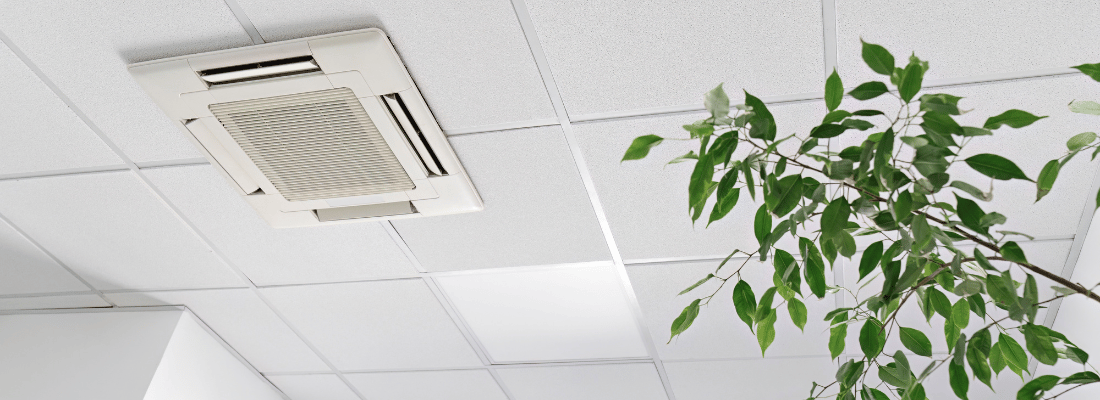
As attention across Europe turns increasingly towards indoor air quality and healthier buildings, the cleanliness and maintenance of ventilation systems is coming under greater scrutiny. Ductwork is an often unseen part of a building, but the condition of the system can have implications for air distribution, energy use, system performance and the quality of the indoor environment.
Dust and other deposits can accumulate inside ductwork over time, while moisture and other contaminants can create additional problems. Keeping ventilation systems clean is therefore an important part of wider ventilation hygiene, alongside effective filtration, adequate ventilation and regular maintenance.
Indoor air quality a priority in Europe
The European approach to indoor environmental quality is also evolving. The revised Energy Performance of Buildings Directive brings indoor environmental quality more explicitly into the building-performance framework, defining it in relation to conditions such as temperature, humidity, ventilation rates and the presence of contaminants. The European Commission's guidance stresses that these factors influence the health and wellbeing of building occupants.
This does not mean clean ductwork alone guarantees good indoor air quality. Rather, it is one element of a wider system in which ventilation, filtration, cleaning and building management all have a role.
What are duct cleaning methods?
The approach to duct cleaning depends on the system, its accessibility and the type and extent of contamination.
- Mechanical agitation combined with vacuum extraction
- Robotic systems
- Dry-ice
Mechanical agitation combined with vacuum extraction remains a common method, with brushes or compressed air used to loosen deposits while extraction equipment captures the material removed.
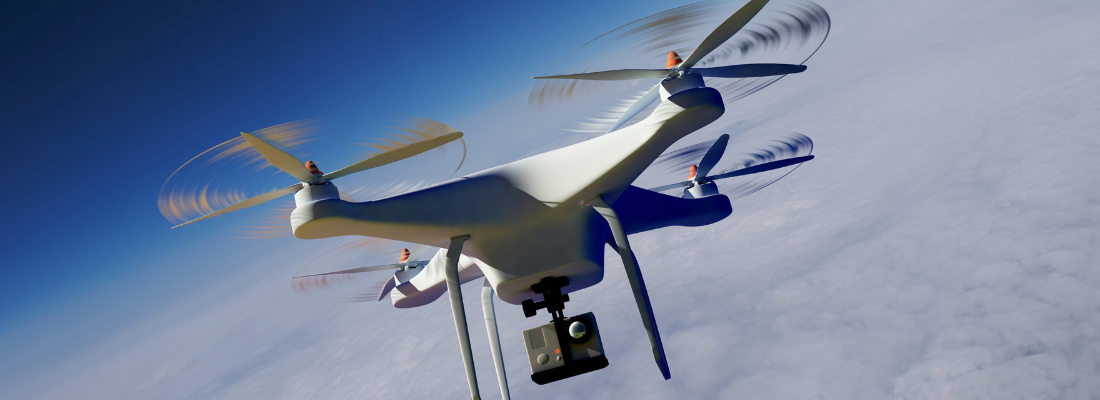
Technology can help where conventional access is difficult. Robotic systems can inspect and clean ductwork, using cameras to provide visibility inside the system and remotely operated equipment to reach areas that may otherwise be challenging or unsafe for operators.
Dry-ice cleaning is another specialist option. It uses pellets of solid carbon dioxide projected at the contaminated surface. The impact dislodges deposits, while the dry ice sublimates, leaving no water or secondary cleaning medium behind. This can be particularly useful where introducing moisture into the ductwork is undesirable.
How to select the most appropriate duct cleaning method for the task
Other systems may require wet cleaning, particularly where there is heavy or greasy contamination. The suitability of the ductwork for moisture, as well as drainage and containment, needs to be considered. The objective is not to promote one technique over another, but to select a method appropriate to the system and contamination.
That principle is reflected in the revised EN 15780:2025, which applies to new and existing ventilation systems, air-conditioning systems and kitchen extract systems. The standard provides criteria and procedures for assessing and maintaining cleanliness throughout the life of a ventilation system.
Assessment before cleaning vital
Importantly, cleaning should begin with assessment rather than simply following an arbitrary schedule. Inspection and, where appropriate, measurement can establish whether intervention is necessary and help determine the appropriate method. The result should then be assessed to establish that the required level of cleanliness has been achieved.
As European buildings become increasingly focused on both energy performance and indoor environmental quality, ventilation hygiene is likely to become a more visible part of building management. For cleaning professionals, that means duct cleaning is not simply about removing accumulated dust: it is about helping ventilation systems continue to perform effectively as part of a healthier indoor environment.

Receive the best newsletter on cleaning & hygiene - straight to your inbox!
We promise never to send you spam and you can unsubscribe at any time!